

Local Property Context
Planning Exterior Work in Ballwin
Ballwin is an incorporated city in west St. Louis County with a municipal Code, Inspections, and Permits department. That distinction matters for exterior work: a Ballwin address is not automatically handled like an unincorporated county property. The city directs residents and contractors to its MyGov portal and says to contact Building Inspections when they are unsure whether a permit is needed. For a roof, siding, or gutter project, start by confirming the project scope, property jurisdiction, and any related site or right-of-way work before scheduling construction. Gray Summit Roofing can schedule inspections from Pacific, with timing dependent on availability, while the homeowner should confirm current requirements with Ballwin officials.
Project-Site Photos
Project-Site Documentation: Ballwin
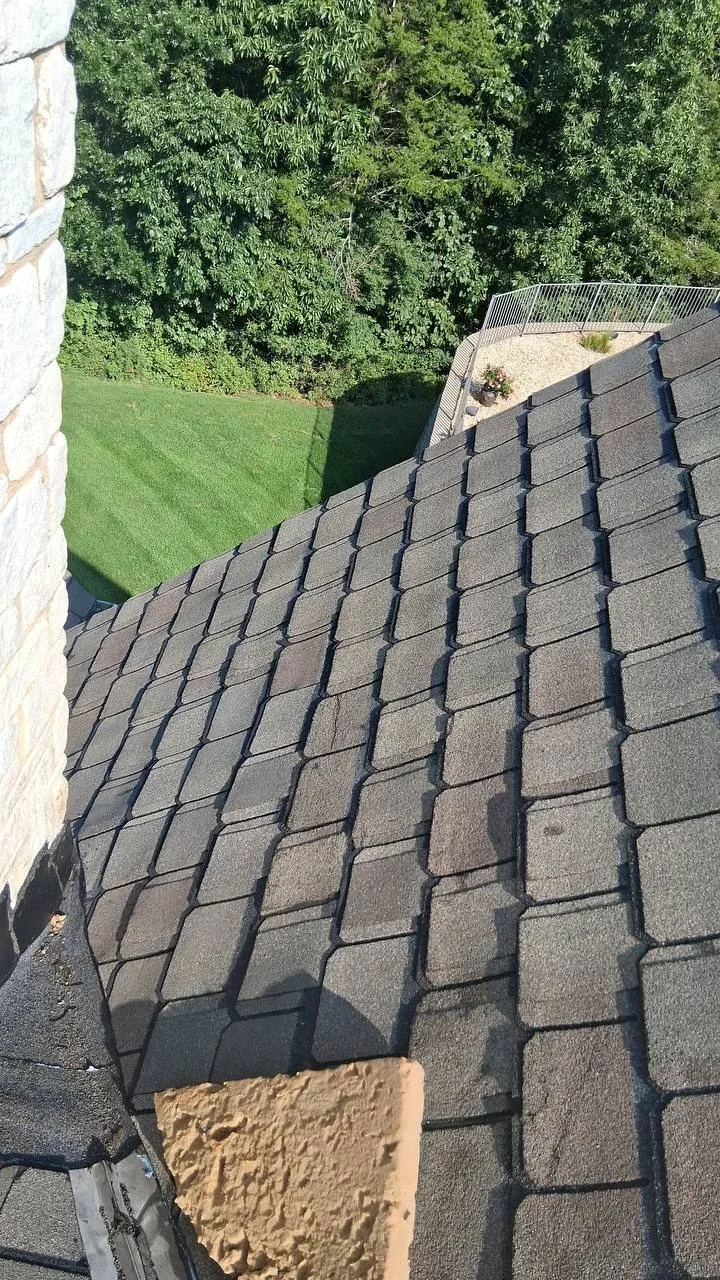
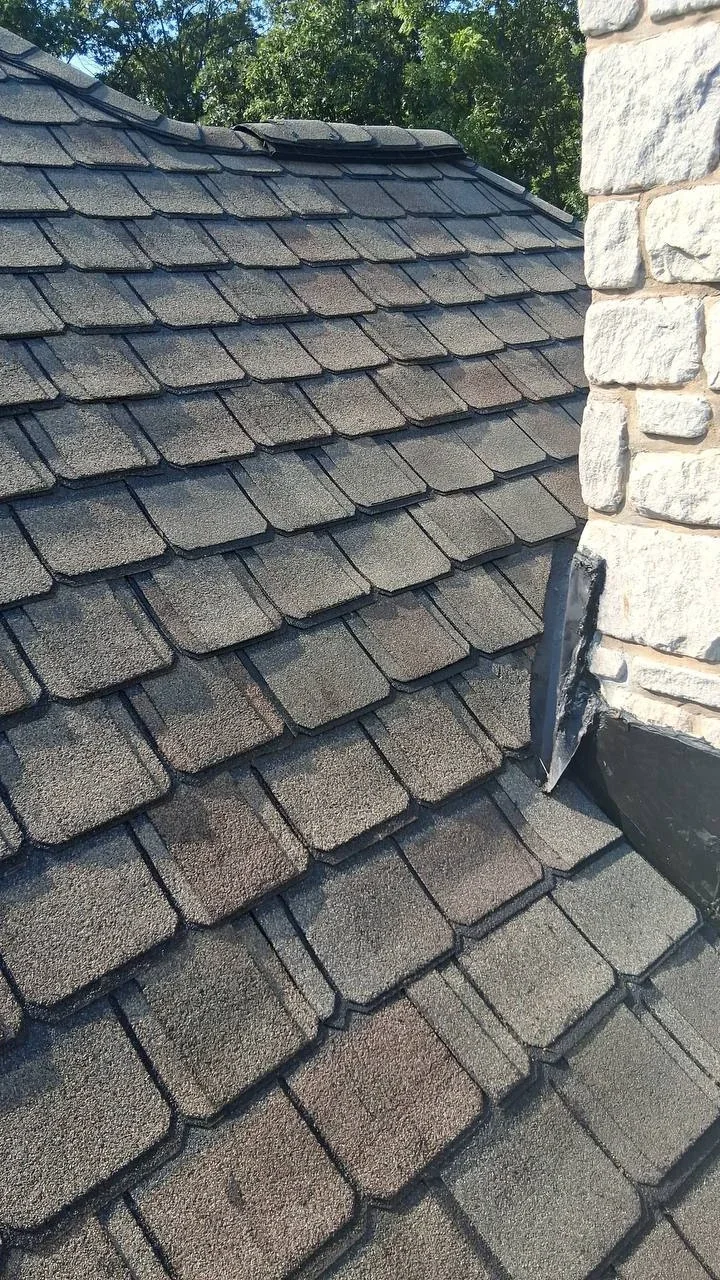
Photos document local project work, not a crew's current location. Ask our Pacific office about inspection and production scheduling.
Ballwin’s city limits and recognizable corridors
Ballwin’s official municipality map places the city among Chesterfield, Ellisville, Manchester, Town and Country, Clarkson Valley, Winchester, Wildwood, Valley Park, and unincorporated areas. The map identifies Manchester Road, Clarkson Road, New Ballwin Road, Baxter Road, Big Bend Road, Kiefer Creek Road, Holloway Road, and Woods Mill Road as prominent local routes. These public corridor names are useful when describing a service area, but they do not replace checking the parcel boundary. A property near a city edge can sit under a different municipal or county process, so the address and jurisdiction should be verified before permit advice is treated as final.
Ballwin’s Manchester Road Great Streets Master Plan treats Manchester Road as a multi-community corridor and discusses town-center and mixed-use planning concepts around the Manchester and Clarkson area. That planning context is different from a rule requiring a particular roofing material. For exterior repairs, it is more accurate to discuss access, staging, drainage, and the building’s existing form than to imply that every home along a corridor has the same design standard.
Who handles permits in Ballwin
Ballwin’s own Building Permits and Occupancy Inspection page says the city uses MyGov for permitting, licensing, and service requests. It lists building permits for many types of construction and directs residents to the Building Inspections Department when they need to determine whether a permit is required. For a roofing, siding, or gutter scope, the practical first step is to give the city a clear description of the work: replacement versus repair, whether sheathing or framing is involved, whether the work changes drainage, and whether equipment or access will extend into public space. Ask the city what application, drawings, inspections, or fees apply to that specific scope.
Ballwin Public Works separately addresses excavation and site inspections. It says excavation in the city street right-of-way requires an Excavation Permit and that disturbing 10,000 square feet or more on private property requires a Site, Land, and Grading Permit. Most ordinary roof, siding, and gutter replacements will not fit those descriptions, but a project involving substantial grading, sanitary sewer work, or right-of-way occupation should be screened with Public Works rather than assumed to be a simple building permit.
Roofing, siding, and gutter planning for local homes
The city’s About Ballwin page reports a mix of 9,909 single-family homes, 716 condominiums, and 1,715 apartments in its general data. Those figures support a useful planning distinction, not a claim that every neighborhood has one construction era or roof design. A detached-home roof replacement may involve different access and approval questions than work on a condominium or apartment building. Before an inspection, identify who owns the roof assembly, who controls exterior colors and drainage changes, and whether a manager, board, or recorded declaration must be consulted. Any HOA or condominium approval is property-specific; it should never be presented as a citywide Ballwin requirement.
For siding, document the elevations being changed and whether trim, flashing, penetrations, or water-damaged substrate will be repaired. For gutters, document outlet locations, downspout discharge, splash blocks, and whether water could reach a neighboring lot, sidewalk, or street. Ballwin’s Public Works page specifically discusses streets, curb and gutter, sidewalks, sewers, landscaping, and retaining walls in its site-inspection information, so a larger exterior project with site disturbance deserves a separate Public Works check. These are planning questions for the actual property, not a promise that a particular permit is or is not required.
Ballwin versus unincorporated St. Louis County
Do not use an unincorporated St. Louis County roofing checklist as though it were Ballwin’s permit rule. The County publishes a Residential Re-Roofing Checklist, but the page is specifically titled and organized as a county residential guide. Ballwin separately provides its own municipal permit portal and Building Inspections contact. A homeowner should first confirm whether the parcel is inside Ballwin city limits; if it is, ask Ballwin which rules and forms govern the proposed work. If it is outside an incorporated municipality, then the County’s current permit pages and checklist may be the relevant starting point.
The same caution applies to nearby places that may appear in a service-area conversation. St. Louis city is an independent city, and other municipalities have their own authorities; neither should be collapsed into Ballwin or treated as automatically governed by a County process. Gray Summit Roofing can help organize the scope and questions for an inspection, but the actual authority should confirm the current requirement for the property.
A practical pre-project checklist
Before signing a roofing, siding, or gutter proposal, write down the property’s city or county jurisdiction, the exact exterior scopes, and any known access constraints. Ask Ballwin whether the work needs a building permit, a Public Works permit, or an additional review. If a dumpster, lift, material delivery, or ladder setup may occupy a street or right-of-way, ask whether an Excavation or other right-of-way authorization is involved. If the property is a condominium, apartment, or HOA-governed home, request the governing documents and approval path from the owner, association, or manager rather than assuming a universal rule.
Keep the city’s confirmation with the proposal and ask who schedules inspections and what must be visible at inspection. Confirm how damaged decking, wall sheathing, flashing, fascia, soffits, and downspout discharge will be handled if concealed conditions appear. This process helps separate verified municipal requirements from project decisions and property-specific restrictions. The city’s published information is the appropriate place to confirm current rules; this guide is practical orientation, not a legal opinion or a substitute for an official determination.
Roofing & Exterior Services
Local Sources & Permit Contacts
The local guidance above draws on these public sources. Permit scope, adopted codes, historic review and association requirements can change; confirm the rules that apply to the actual property before signing a scope.