

Local Property Context
Planning Exterior Work in Farmington
Farmington is a St. Francois County city with two useful lenses for exterior work: an established historic core and a citywide growth-and-development program that also anticipates diverse housing. The City’s 2026 Comprehensive Plan describes Downtown Farmington as a vibrant, historic neighborhood with housing, cultural, retail, and entertainment uses, while the city’s historic-downtown page says historic buildings are found throughout the downtown area and that the Farmington Historic Preservation Commission works to maintain its character. That combination matters when a roof, siding, flashing, or gutter project changes the visible exterior. A homeowner should not assume that a normal replacement is automatically exempt from review, but should also not assume that every Farmington property is subject to historic approval. Confirm the parcel’s zoning and any applicable historic review directly with Farmington Development Services before work begins. Gray Summit Roofing can schedule inspections from Pacific, with timing depending on availability; the city’s permit and review requirements remain the homeowner’s and contractor’s responsibility to verify.
Project-Site Photos
Project-Site Documentation: Farmington
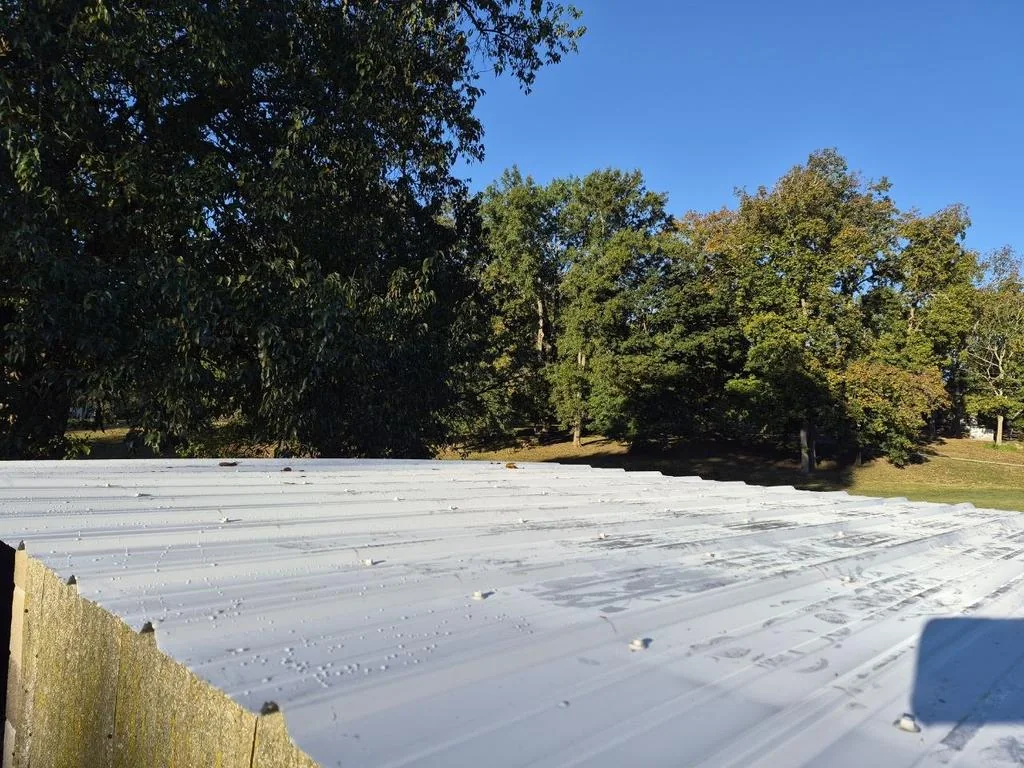
Photos document local project work, not a crew's current location. Ask our Pacific office about inspection and production scheduling.
Farmington’s downtown and older-building context
The strongest location-specific distinction in Farmington is Historic Downtown. The City describes it as the heart of Farmington, with historic buildings now used by local businesses and residences. It also identifies the Long House at Long Park as a Farmington Historic Site maintained by the Monday Club and the City. Those public descriptions support a practical exterior-work question: is the property in the downtown area, at a designated historic site, or simply elsewhere in the city? The answer can affect which office a homeowner should contact and whether appearance, materials, or exterior alterations receive extra attention.
For a downtown roof or siding estimate, document the existing roof form, visible wall materials, trim, storefront or porch details, and gutter placement before removing anything. Ask Development Services whether the address is inside a regulated historic area or involves a site reviewed by the Historical Preservation Commission. Do not treat the City’s general description of historic downtown as proof that every nearby house has a preservation restriction. Historic status and any review path are property-specific and should be confirmed with the City.
Who handles permits inside Farmington city limits
For work inside incorporated Farmington, the City of Farmington is the first permitting authority identified by the municipal pages. Development Services says it reviews plans, issues permits, and conducts inspections under city zoning ordinances and building codes. The City’s building-permit page states that a permit is required to construct a new building, construct an addition, alter or change the use of an existing building, and make construction changes to building systems and appurtenances. It also says some work is exempt or minor and directs applicants to a building inspector for details.
Roofing, siding, and gutter work should therefore be described accurately rather than assumed to be permit-free. A like-for-like repair may be treated differently from a structural alteration, an addition, or work that changes an appurtenance. Before scheduling tear-off or installation, ask the City whether the proposed scope needs a building permit, a zoning permit, an inspection, or more than one approval. Use the City’s online permit application or contact Development Services, rather than substituting a St. Francois County office for the municipality when the property is within city limits.
Zoning, site conditions, and gutters
Farmington Planning and Zoning administers city plans and land-use regulations, including zoning, subdivisions, floodplain management, and storm-water management. The City says its zoning districts regulate the use of buildings, structures, and land, and it provides a separate online zoning-permit application. That is relevant when an exterior project includes more than replacing exposed materials, such as an addition, detached structure, substantial site change, or work tied to a larger redevelopment plan.
Gutter and downspout planning also deserves a site-specific check. The City’s permit page says development permits are generally required for land-disturbance activity affecting one acre or more and lists storm-water plans and a state land-disturbance permit among the application materials. That threshold is about land disturbance, not a blanket statement that ordinary residential gutter replacement needs a development permit. A homeowner should ask whether the proposed work changes drainage, discharges toward an easement or public way, disturbs enough ground to trigger storm-water review, or is part of a larger project. Keep the answer with the project records.
Codes, inspections, and the right questions
Farmington’s published building-permit page says the city adopted the 2015 International Codes effective January 1, 2018, with implementation and enforcement beginning March 1, 2018 through Ordinance 15-11. The same page links a building-code adopting ordinance, the municipal code, and a 2026 proposed building-code update. Because the City has published both an adopted-code reference and later update materials, a homeowner should confirm the code edition and amendments that apply on the date of the application instead of relying on an old contractor checklist.
Useful questions for Development Services include: Is this scope an alteration, minor exempt work, or another permit category? Does the property fall in a zoning or historic-review area? Are there inspection steps before concealment? Does replacement include sheathing, framing, skylights, porch elements, or electrical/mechanical work that changes the permit path? What documents, plans, or plot information are needed? These questions are more reliable than assuming that a neighboring property had the same requirements.
Downtown character and newer growth are different project settings
The City’s comprehensive plan presents Farmington as both a community with diverse housing in established neighborhoods and a regional center for commercial and industrial development. It separately identifies Downtown Farmington as a historic neighborhood. The City also published a 2026 announcement for Farmington Crossings at the intersection of U.S. Route 67 and Woodlawn Drive, describing a planned open-air commercial center near the gateway to St. Joe State Park. These sources show why a Farmington exterior estimate should identify the setting rather than use one citywide assumption: a downtown residence, a conventional neighborhood home, and a property near a growing commercial corridor can face different access, staging, zoning, and review questions.
For homes near busier corridors, confirm where contractor vehicles, dumpsters, material deliveries, and ladders may be placed, especially if work affects a sidewalk, right-of-way, shared drive, or commercial access. For homes in established neighborhoods, verify lot lines, easements, drainage, and any recorded subdivision or HOA documents before changing roof drainage or exterior appearance. The City’s public pages do not establish one HOA rule for Farmington, so any private approval must be checked with the property’s association or governing documents.
A practical Farmington exterior-work plan
Start with a written scope that separates roof covering, underlayment, flashing, decking or framing, siding, soffit and fascia, gutters, downspouts, and related repairs. Photograph existing conditions, note visible water entry, and identify whether the property is downtown, near a named historic site, or in another part of the city. Then contact Farmington Development Services with the property location and scope. Ask the City to confirm municipal permits, zoning review, historic-review status if relevant, inspection timing, current code edition, and any storm-water or right-of-way issue.
After the city confirms the path, retain the permit or written exemption information, approved plans, inspection records, material approvals, and any private HOA or deed restrictions. If the property is outside city limits, do not assume Farmington’s municipal process applies; first identify the actual jurisdiction and its permitting office. A roofing contractor can help describe the work and identify visible conditions, but the authority having jurisdiction controls the official answer.
Roofing & Exterior Services
Local Sources & Permit Contacts
The local guidance above draws on these public sources. Permit scope, adopted codes, historic review and association requirements can change; confirm the rules that apply to the actual property before signing a scope.