
A Clearer Standard
Saint Louis Roofing Construction Standards: What Roofing COP Means
COP is commonly used as shorthand for a code of practice: a practical way of describing the methods that keep a roof system safe, weather-resistant, and built with care. Missouri does not use one standalone “roofing COP” document for every home. Instead, a responsible roof project brings together the applicable local requirements, manufacturer installation instructions, and proven trade practices.
For a homeowner, the important part is not the acronym. It is whether the roof is installed as a complete system: the deck is evaluated, water is directed correctly, vulnerable transitions are detailed carefully, and the finished work is inspected before closeout.
Explore roof replacement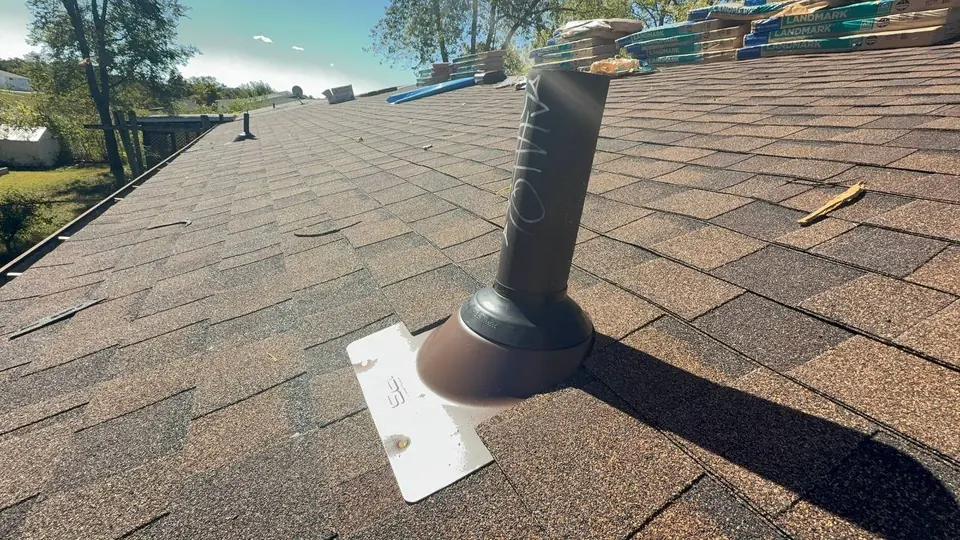
The Roof As A System
Roofing COP Installation Methods
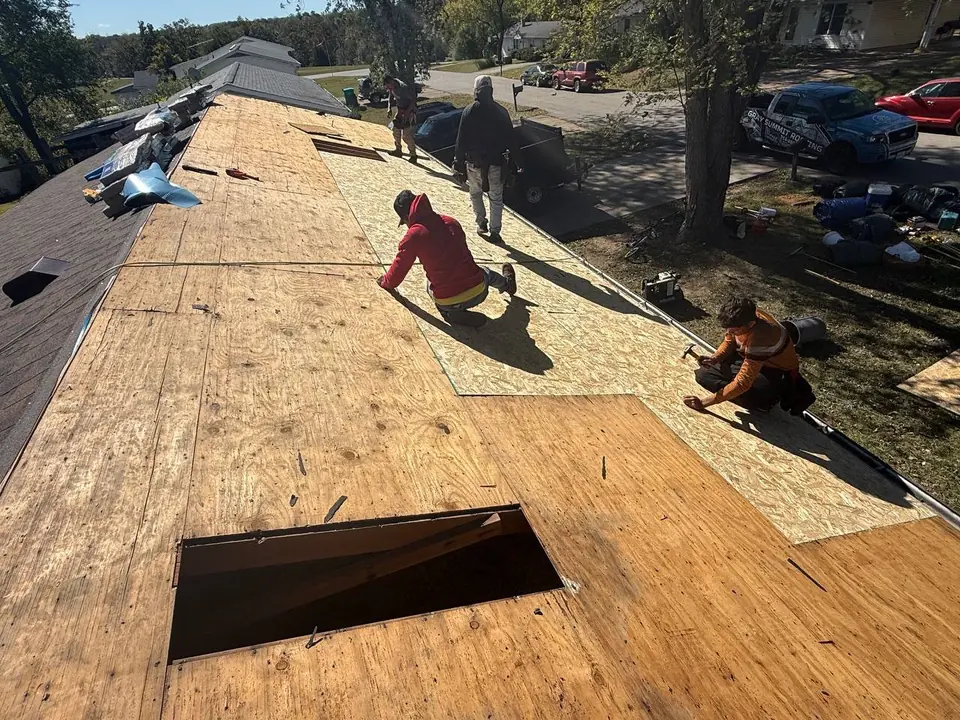
Good installation methods show up in details that are easy to miss from the driveway. Underlayment helps manage water beneath the roof covering. Fasteners must be placed correctly for the selected system. Drip edge, valleys, wall transitions, chimneys, and roof penetrations all need deliberate flashing work so water has a clear path off the roof.
Ventilation matters, too. It supports the roof system by helping the attic manage heat and moisture. An inspection should identify whether the existing intake and exhaust setup needs attention before a replacement is installed.
Explore roof repairMetal Roofing Detail
Push and Rack Roofing Methods in Saint Louis Construction Projects
On metal roofing systems, panel alignment, support, and fastening affect how the finished roof looks and how it manages normal temperature movement. “Push and rack” language is often used informally to describe the care taken to keep panels seated, aligned, and supported as the installation progresses.
The right method depends on the specific panel system and the manufacturer’s instructions. The homeowner’s takeaway is simple: a metal roof should not be treated like a stack of generic sheets. Layout, trim, penetrations, fastening patterns, and transitions deserve the same care as the visible field of the roof.
Explore commercial roofing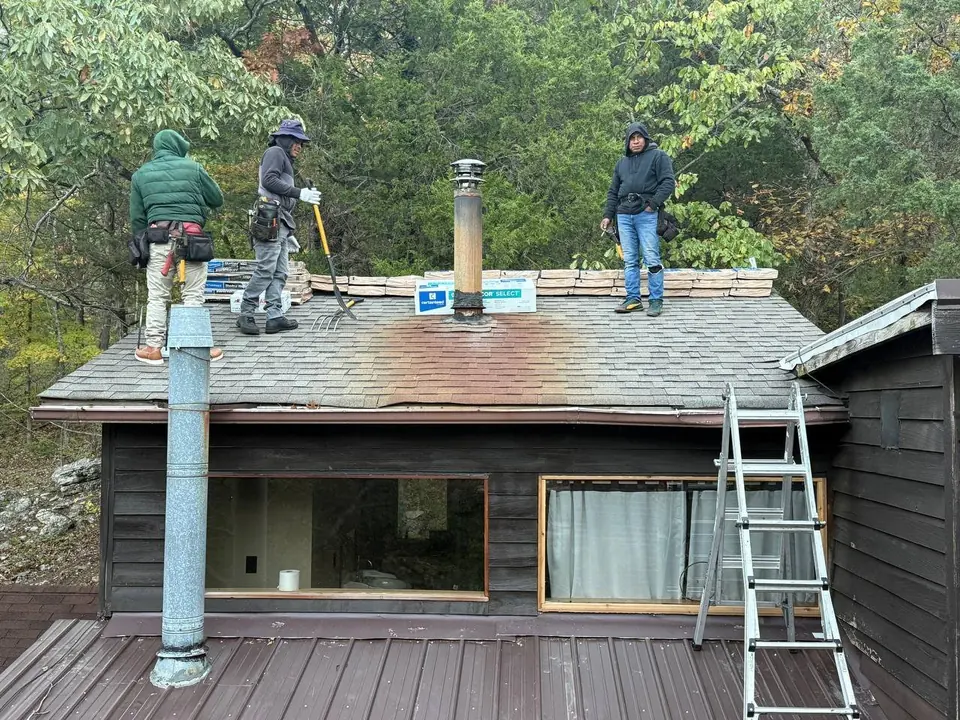
Before Closeout
Roofing COP Inspections and Quality Control in Saint Louis Construction
A quality-control pass is where the installation is checked as a system rather than as separate pieces. The review should include exposed fastening, flashing and seal details, roof-to-wall transitions, penetrations, ventilation components, debris removal, and the overall finish of the roofline.
This is also when documentation earns its value. Photos and a clear walkthrough give a homeowner a way to understand what was found, what was addressed, and what to watch after the project is complete. That is a more useful standard than a vague promise that the roof was “done right.”